
The Daily Pill: A Real-World Look at Rybelsus for Type 2 Diabetes
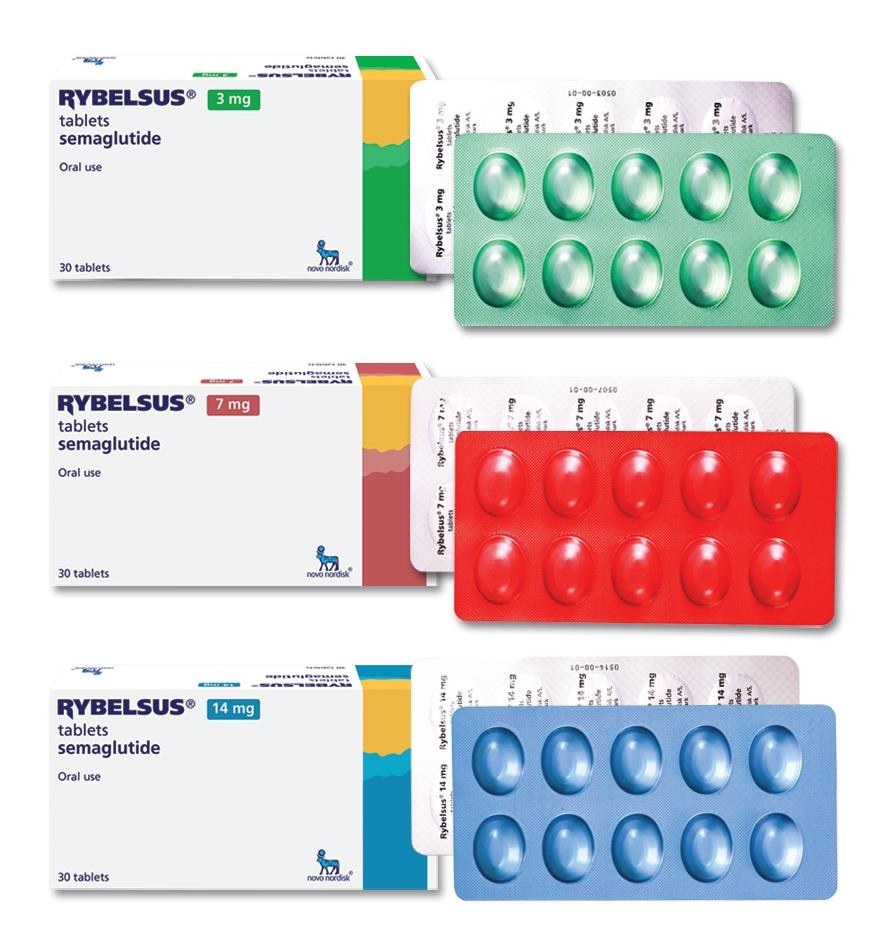
If you want to manage your blood sugar without using a needle, Rybelsus is a prescription pill designed for adults with type 2 diabetes. It’s meant to work alongside your diet and exercise to help keep glucose levels in check.
It’s a newer option in metabolic health. It uses the same active ingredient found in some of those famous injectable medications, but instead of a weekly shot, you just take one small pill every day.
Don’t assume that because it’s a pill, it’s a “light” version of the drug. The science behind it is heavy-duty. Understanding how it actually interacts with your body is usually the difference between seeing real progress and just feeling nauseated.
Managing diabetes is often a balancing act. For many people, the thought of daily injections feels like a constant reminder of their condition. That’s why oral options are getting so much traction in clinics lately.
This article explains what to actually expect when you start this regimen. We’ll look at the mechanics, the strict timing you have to follow, and the side effects that tend to catch people off guard.
How the Science Works Inside Your System
Rybelsus contains semaglutide, a type of medication called a GLP-1 receptor agonist. You might recognize that name; it’s the same class of medicine used in many of the trending weight-loss shots.
When you eat, your body releases hormones to manage the sugar entering your bloodstream. In people with type 2 diabetes, that system is often sluggish or broken. That’s where the medication steps in.
Specifically, Rybelsus lowers blood sugar by boosting insulin, cutting liver sugar, and slowing digestion. It mimics a hormone your body normally makes, telling your pancreas to release more insulin when you need it and telling your liver to stop dumping excess glucose into your blood.
It does more than just manipulate insulin, though. It also signals your brain to slow down how fast your stomach empties. This is why many people feel “full” much faster, which can be a helpful side effect for some.
It isn’t a magic pill. Doctors always say this is meant to be used together with diet and exercise. If you take the pill but keep eating high-sugar foods that spike your insulin, you probably won’t see the A1C improvements you’re looking for.
Think of it as a tool to help your body’s natural machinery run better. It doesn’t create new pathways; it just optimizes the ones you already have.
The Strict Rules of the Morning Routine
This is where most people mess up. If you take Rybelsus with coffee or toast, you’re likely wasting your money. The way this medicine is absorbed is incredibly sensitive to how much is in your stomach.
You have to follow a specific protocol to make sure the medicine actually gets into your bloodstream. If you don’t, the pill might just pass through you. It can be a bit of a headache when you’re trying to sleep or rushing to get out the door.
The instructions are precise: you must take it at least 30 minutes before you eat, drink, or take any other medications. And you can’t wash it down with a full glass of water. You’re limited to no more than 4 ounces of plain water.
If you’re struggling with the morning routine, try these:
- Set a phone alarm for 30 minutes before you usually eat breakfast.
- Keep the medication and a small glass of water on your nightstand.
- Don’t take it right before bed if you wake up early for coffee.
- Never “catch up” on a missed dose by taking two at once.
I’ve seen patients get frustrated because they thought they were doing everything right, yet their levels weren’t moving. Often, it turns out they were drinking a glass of juice or a small tea right after the pill. That 4-ounce limit is non-negotiable.
It’s a lifestyle adjustment. You’re essentially training your body to expect a “fasting window” every single morning. If you can master that 30-minute gap, you’re halfway to getting the full benefit.
Many people find they can check their progress by looking at their farmaciabreda.com prescriptions or talking to their pharmacist about how to fit this into their specific daily schedule.
What to Expect with Dosing and Side Effects
When you first start, your doctor will likely start you on a low dose to let your body adjust. This usually begins at 3 mg or 7 mg. If you handle that well, they might move you up to 14 mg to help control your blood sugar and A1C levels.
Now, let’s talk about the stomach issues. Because the drug slows digestion, your stomach is essentially working on a delay. This is the main reason people stop taking it.
Common side effects often include:
| Common Side Effects | What It Feels Like |
| Nausea | A queasiness that often settles after a few weeks. |
| Diarrhea | Loose stools as your gut adjusts to slower digestion. |
| Vomiting | Less common, but can happen if you eat too much too fast. |
| Stomach Pain | General discomfort or cramping. |
While these symptoms are usually temporary, they can be disruptive. It isn’t uncommon to feel “off” for the first few days after a dose. If you have severe pain, call your doctor immediately.
Some people also notice a decrease in appetite. This can be good if you’re trying to manage weight, but it can also lead to unintended weight loss if you aren’t careful with your nutrition. You still need to fuel your body, even if you don’t feel as hungry.
Watch how you feel as you transition between doses. If the nausea is constant rather than just a fleeting feeling, your doctor might need to adjust your titration schedule. They don’t want you suffering just to hit a target number on a lab report.
Comparing Your Options and Common Questions
You might wonder if this is the same as Ozempic. The short answer is they’re in the same family, but they aren’t the same. Ozempic is an injection, whereas Rybelsus is a tablet. They both use semaglutide, but the delivery method changes how often you use it.
Is it the same as Metformin? Not quite. Metformin is often the first thing doctors prescribe for type 2 diabetes and it works differently in the gut and liver. Rybelsus is often a step up when Metformin alone isn’t enough to keep your A1C in a healthy range.
What about weight? Many people ask about this. While the primary goal of Rybelsus is blood sugar control, weight loss is a frequent side effect. However, you shouldn’t view this as a weight-loss drug; it is a diabetes medication that happens to affect appetite.
How much can you lose in a month? There is no set number. Everyone’s metabolism is different. Some see a quick shift in the first month, while others see a slow, steady decline over several months. It isn’t a sprint; it’s a marathon.
You might also wonder if you’ll be on this forever. That depends entirely on your doctor and how your body responds. For some, it becomes a lifelong part of their routine; for others, lifestyle changes might eventually allow for a different approach.
If you’re worried that the side effects will make it impossible to live your normal life, remember that most people find their bodies adapt to the nausea within the first few weeks.
Questions people ask
Are Ozempic and Rybelsus the same?
Both contain the same active ingredient, semaglutide, but Ozempic is an injectable medication while Rybelsus is an oral pill.
How much weight can I lose with Rybelsus in a month?
Weight loss varies by individual, but clinical studies show significant weight reduction over several months rather than a fixed amount per month.
What are the side effects of taking Rybelsus?
Common side effects include nausea, vomiting, diarrhea, and stomach pain, particularly when first starting the medication.
Is Rybelsus the same as metformin?
No, Rybelsus is a GLP-1 receptor agonist, whereas metformin is a different class of medication that works by reducing glucose production in the liver.
How should I take Rybelsus?
Rybelsus must be taken once daily on an empty stomach with at least 30 minutes before any food, water, or other medications.